How We Encourage Independent Sleep Without Sleep Training
Sleep is one of those topics that can feel overwhelming, especially in the early months. There’s so much advice, so many methods, and often a lot of pressure to get it “right.”
I’m not a sleep expert, just a mum who has spent a lot of time reading, learning, and observing her own child. Baby sleep is deeply personal, and there’s no single “best” approach. The right one is always what works for your family.
Everything I’m sharing comes from a mix of research, professional guidance, and lived experience. Maddie may naturally be a good sleeper, but I do feel the habits we’ve consistently practised have helped support healthy sleep over time.
Much of our approach is informed by child development principles and the work of Emma Hubbarb from Brightest Beginning, a paediatric occupational therapist whose philosophy aligns closely with ours.
What Independent Sleep Means to Us
For us, independent sleep doesn’t mean leaving a baby to cry or expecting them to manage sleep on their own before they’re ready.
It means supporting Maddie to:
Feel safe and calm in her sleep space
Recognise when her body is tired
Gradually learn how to fall asleep with less and less assistance
In practice, this has meant that our nighttime routines are calm and predictable. There are no bedtime battles; we finish our simple 10‑minute routine, leave the room, and she will fall asleep on her own.
Maddie has been sleeping through the night since around 8 months old. We’ve still had regressions and rough nights, but for the most part, my husband and I got our evenings and our sleep back.
5 Things We Do to Encourage Independent Sleep
1. A Consistent Nap and Bedtime Routine
One of the most impactful things we’ve done is keep Maddie’s nap and bedtime routines consistent. Research shows that having consistent nap and bedtime routines help babies fall asleep faster, fall asleep earlier (earlier bed times), wake less often during the night, and have increased sleep duration.
Our nap time routine is simple:
Shut the door and curtains
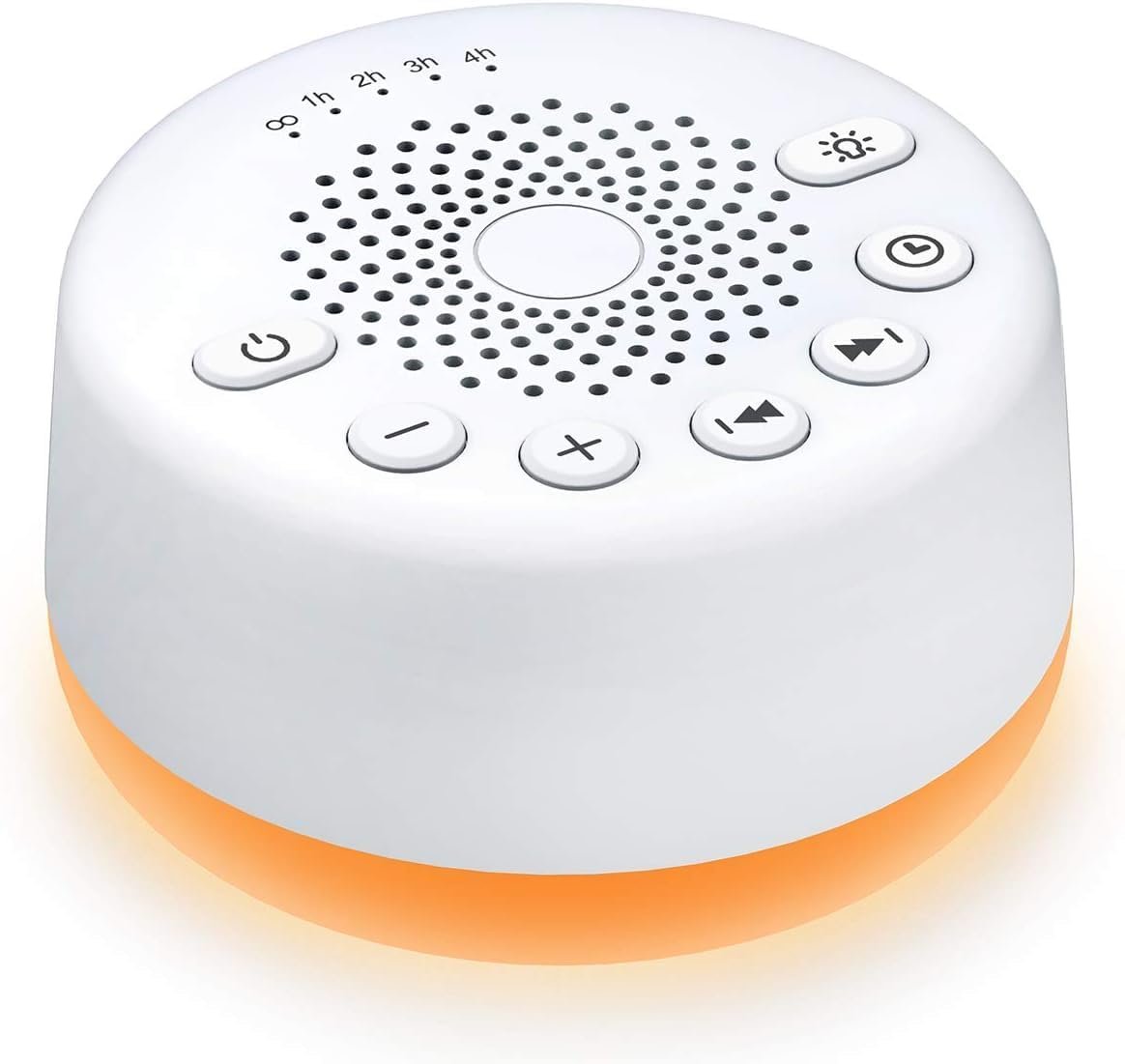
Turn on the sound machine
Sing Twinkle Twinkle Little Star
Say our sleep phrase, “Good night baby, I love you”
Leave the room
Nighttime looks similar with the added steps of brushing her teeth and reading two books.
Doing the same things, in the same order, every time helps her body associate these cues with sleep.
Sleep fact: Having a predictable nap and bedtime routine helps babies feel more relaxed and secure, making it easier for them to settle.
2. Creating an Optimal Sleep Environment
It’s a common misconception that babies need to learn to sleep in bright, noisy environments. While the sleep environment doesn’t have a huge impact in the first six weeks of life, it becomes increasingly important as babies mature and become more aware of their surroundings.
As babies grow, the pineal gland begins producing more melatonin (the hormone that regulates sleep), making them more sensitive to environmental cues like light and temperature.
What’s worked for us:
A dark room with blackout curtains (less distraction and fewer early wake-ups)
A white noise machine to mask household sounds
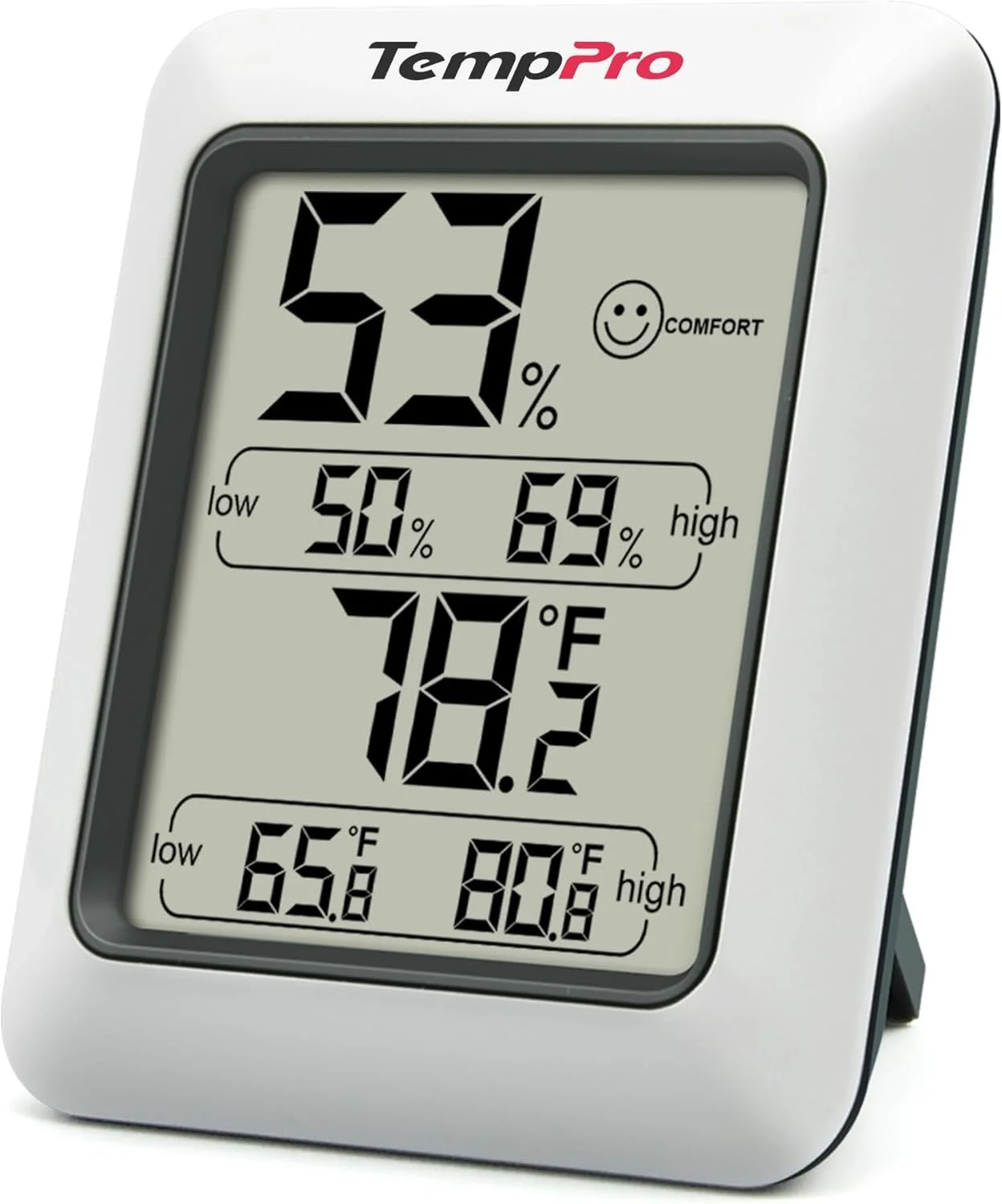
Keeping the room between 18–21°C, which is considered optimal for sleep
Sleep facts:
Babies spend a lot of time in light sleep, so they’re easily disturbed
Dark rooms support melatonin production and longer stretches of sleep
A consistent environment helps signal that it’s time to rest
3. Gradually Stepping Back from Sleep Support
When Maddie was a newborn, we used to rock her to sleep.
Over time, rather than removing support suddenly, we gradually stepped back. We moved from rocking to gentler methods such as patting and shushing. We used to pat and shush her to sleep, but slowly started leaving her side while she was drowsy but still awake.
Eventually, we were able to lay her down, finish our routine, leave the room and trust her to fall asleep on her own. This happened when she was around 6 months of age.
This gradual approach allowed Maddie to build confidence while still feeling supported.
Sleep fact: Avoiding strong adult sleep associations (like always needing to be rocked or fed to sleep) can help babies learn to fall asleep independently over time.
4. Allowing Space for Self-Soothing
If Maddie wakes from a nap or during the night, we don’t jump in immediately.
Instead, we give her a couple of minutes to see if she can resettle on her own. Often, she does.
Over time, we started to learn her cries and know whether it’s one that requires us to come in and soothe her right away or when it was something she could work through on her own. This doesn’t mean ignoring her; we’re always responsive if she needs us. But giving her that brief pause has helped her practise self-soothing in a safe, supported way.
Sleep fact: Baby sleep cycles are around 30–45 minutes, so brief wakes when they are between 3.5 - 6 months, when they are still learning to link their cycles, are completely normal.
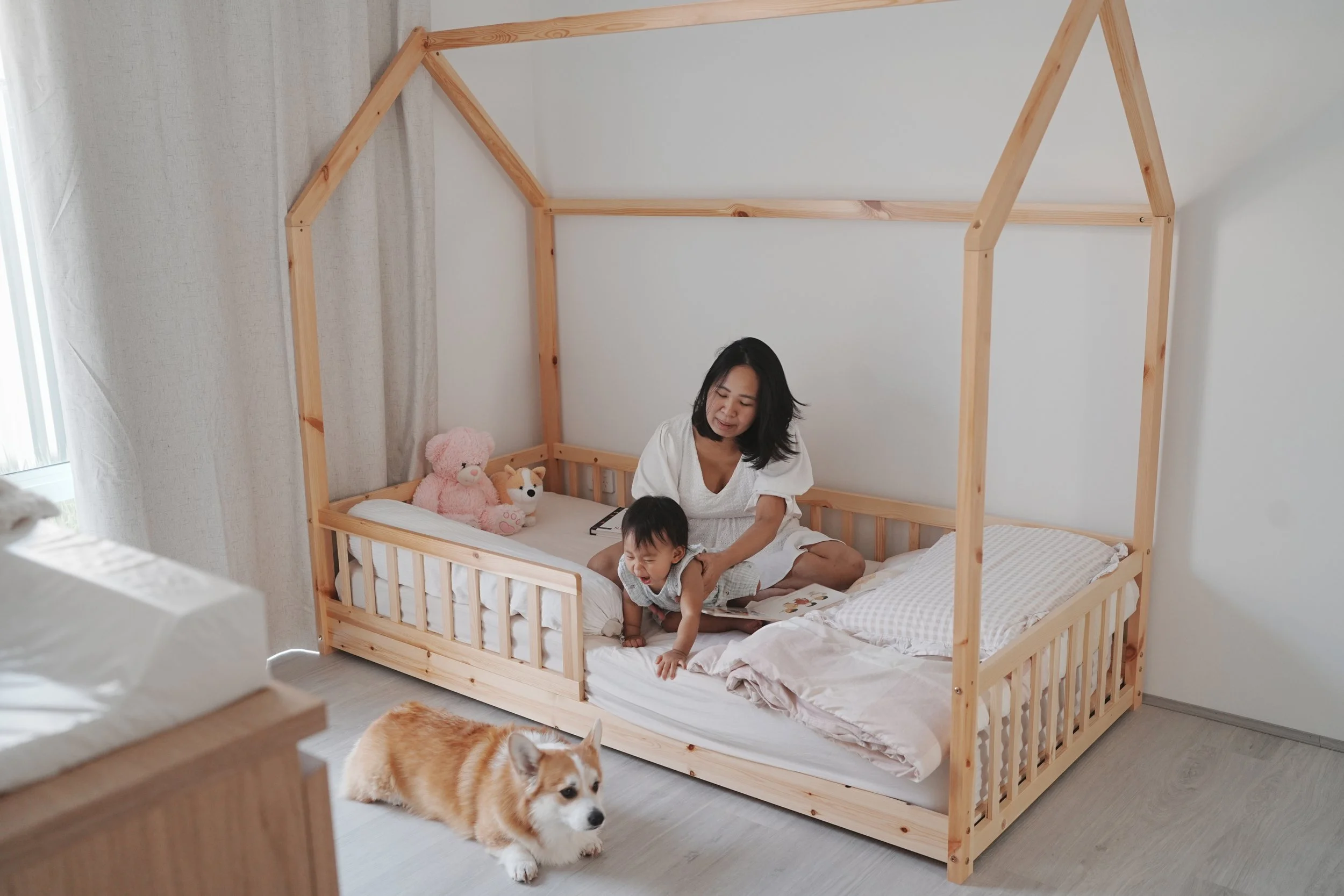
5. Using a Floor Bed
Using a floor bed has been a big part of Maddie’s sleep journey.
It’s allowed her to become more in tune with her body. If she’s not quite tired yet, she might quietly play with a toy or read a book. When she feels sleepy, she’ll climb into bed herself.
This autonomy means that we avoid power struggles around sleep and help her trust her own tired cues.
I wrote a blog post about floor beds if you’re interested in more tips about using one.
Understanding Baby Sleep (What’s Normal)
A few gentle reminders that helped us reset expectations:
Cat naps (30-45 minutes) are very normal between 3.5–6 months as babies’ sleep cycles are maturing and they are still learning how to link their sleep cycles
Learning and responding to early tired signs such as long-distance stares, eye rubbing, pink eyebrows, ear pulling, or slow movement helps prevent overtiredness
Waking your baby within the same 30-minute window each morning can support a more predictable nap schedule
Products We’ve Found Helpful
These are products we have used to create an optimal sleep environment for Maddie