How We Encourage Stress-Free Mealtimes with Our Baby
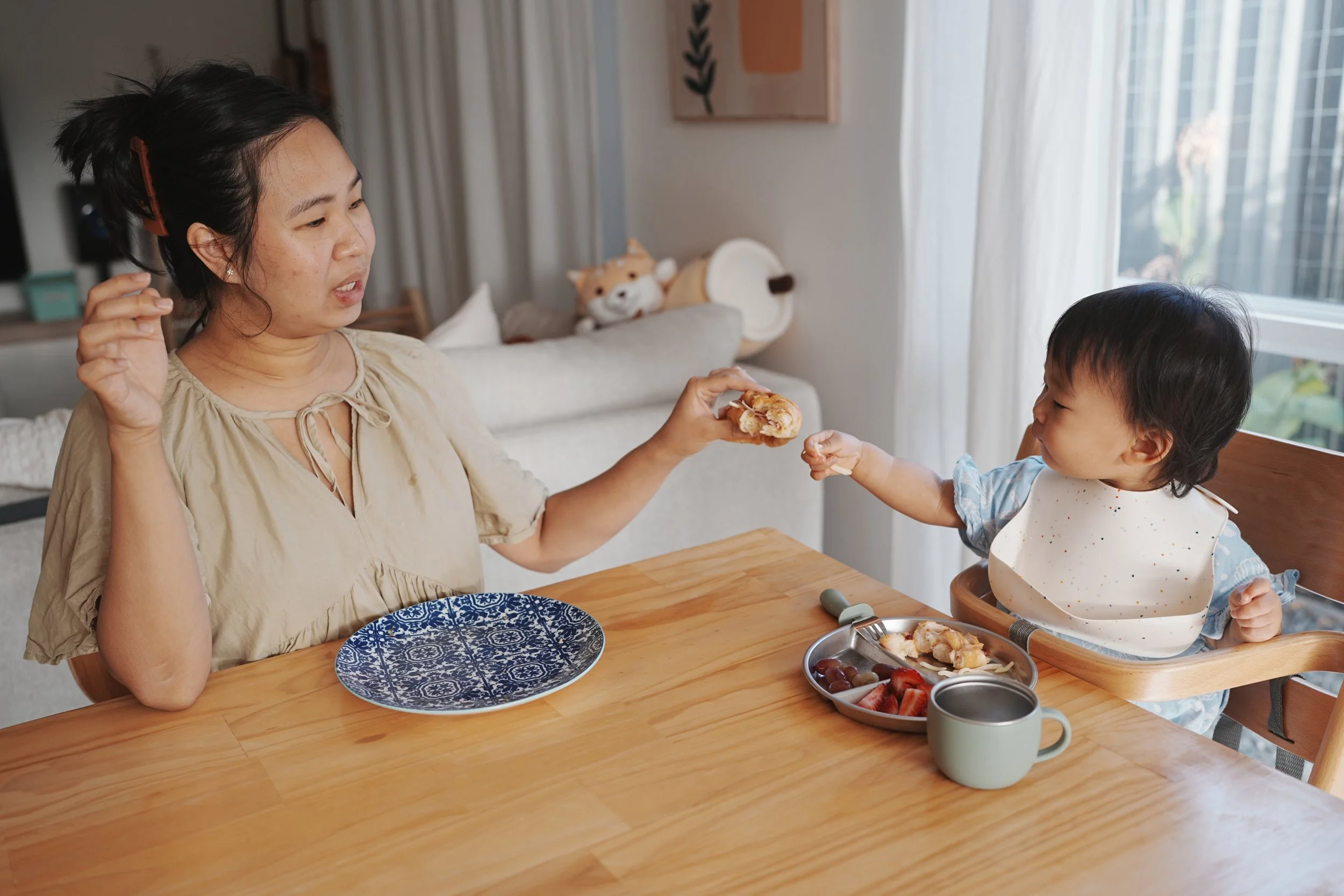
Mealtimes can feel like one of the most stressful parts of parenting — wondering if your baby is eating enough, navigating mess, and trying to avoid power struggles.
But using a Montessori lens can make mealtimes a more relaxed and enjoyable experience with our baby.
Here are some tips that have helped us encourage independent eating with Maddie.
Trust Your Baby
One of the most important mindset shifts is this:
Our job is to decide what and when food is offered.
Our baby’s job is to decide how much they eat.
Babies are incredibly intuitive when it comes to hunger and fullness. When we trust them, we avoid turning mealtimes into a battle and instead create a more relaxed, positive experience. When Maddie starts playing with her food and pushing it around, we know she is done eating.
Here are some other signs that your baby is full:
turns their head away
loses interest or gets distracted
pushes the spoon away
clamps their mouth shut
Just like us, babies don’t eat the same way every day. Some days they’re hungrier, some days they eat less, and often they’ll eat more of the foods they enjoy and less of what they’re unsure about. This is completely normal. When we trust that babies can listen to their own hunger and fullness cues, we allow them to build a healthy, intuitive relationship with food.
Offer A Wide Variety of Food
We don’t need to offer foods one at a time, and meals don’t have to be bland. From the start, you can offer a balanced plate with a variety of food groups — think of meals you’d enjoy eating yourself. Don’t be afraid to include flavour and seasoning. We usually serve Maddie what we’re having, and set aside a portion for her before adding any extra salt. Here are some of the first meals we’ve offered her:
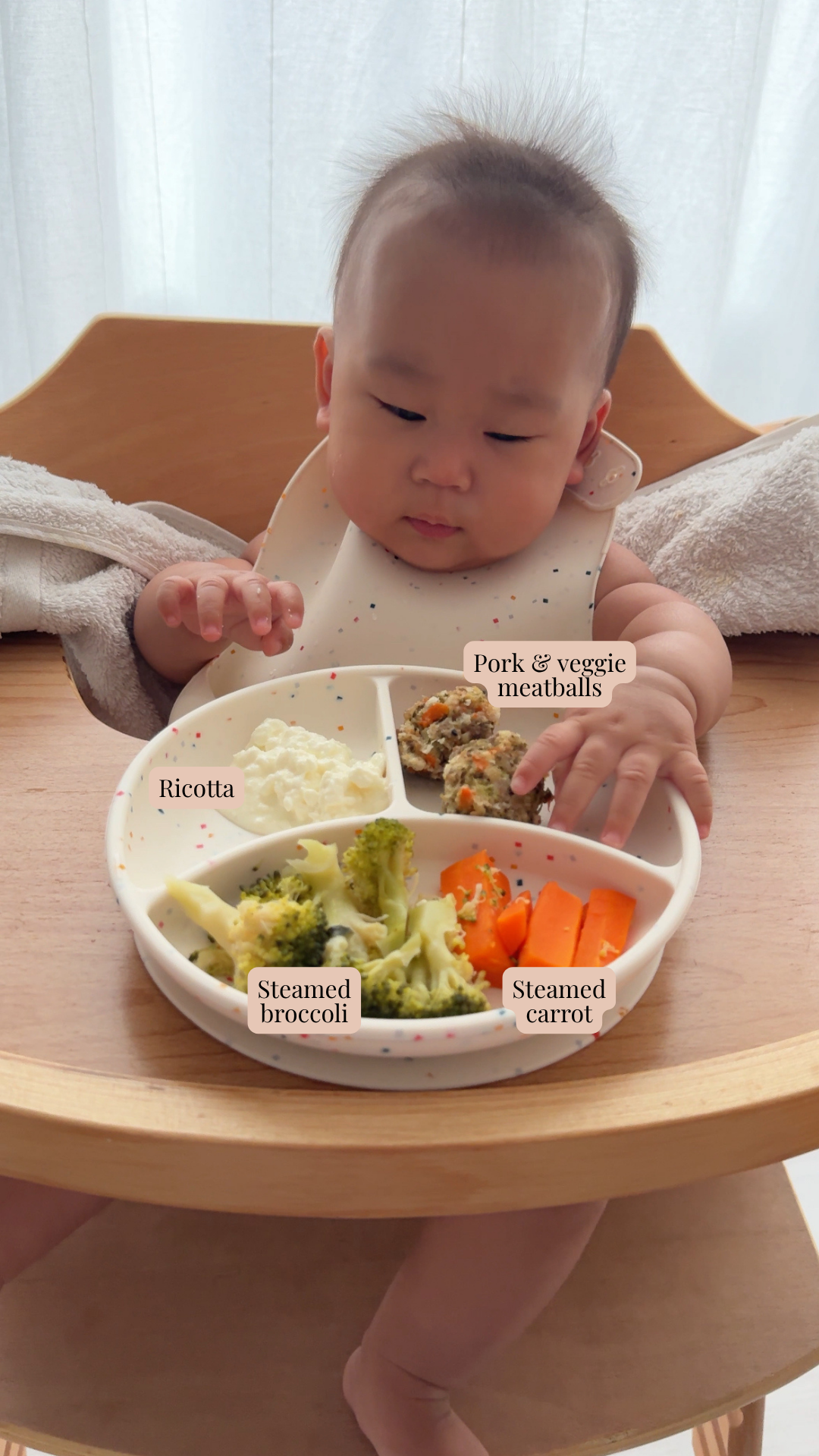
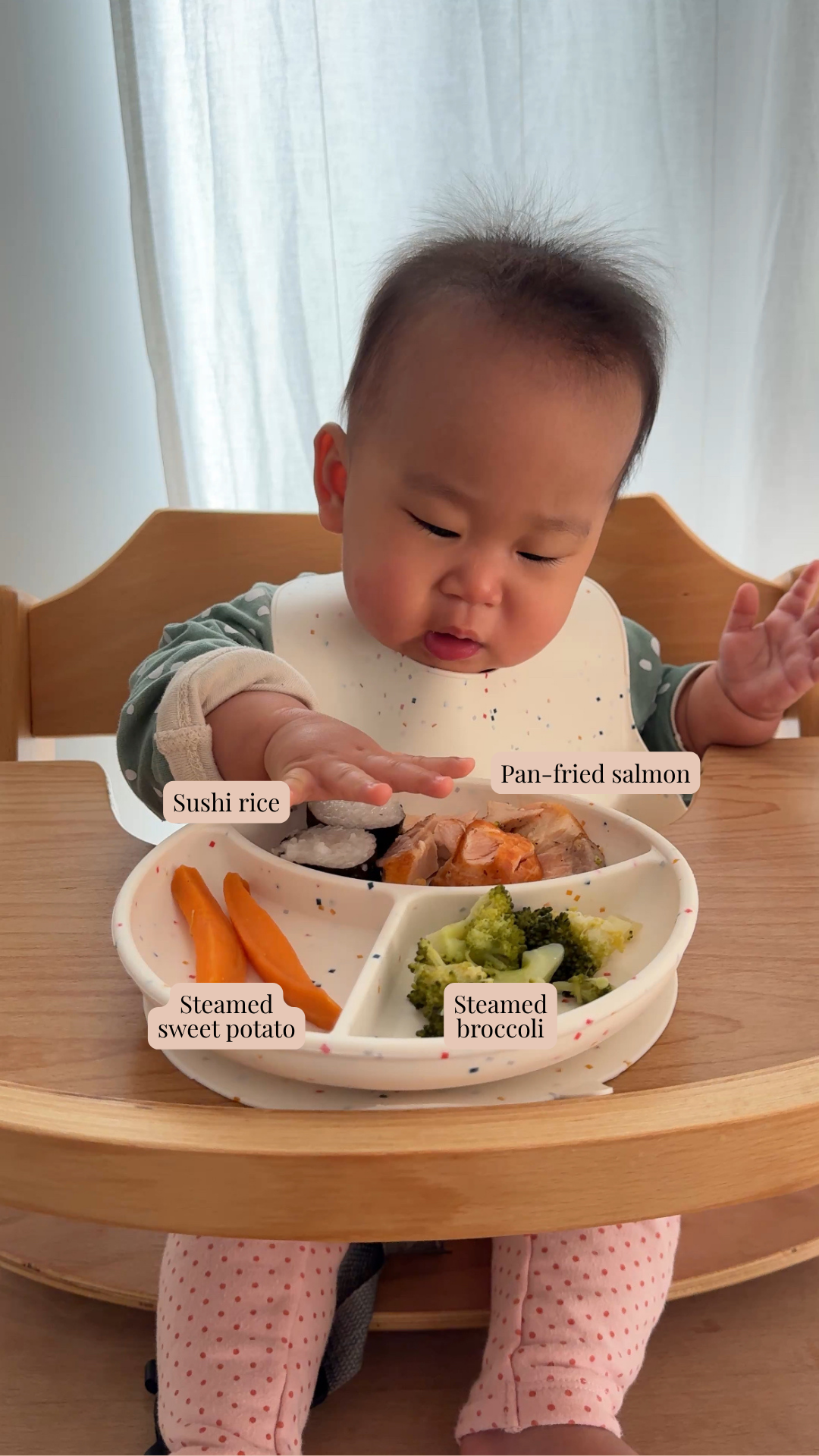
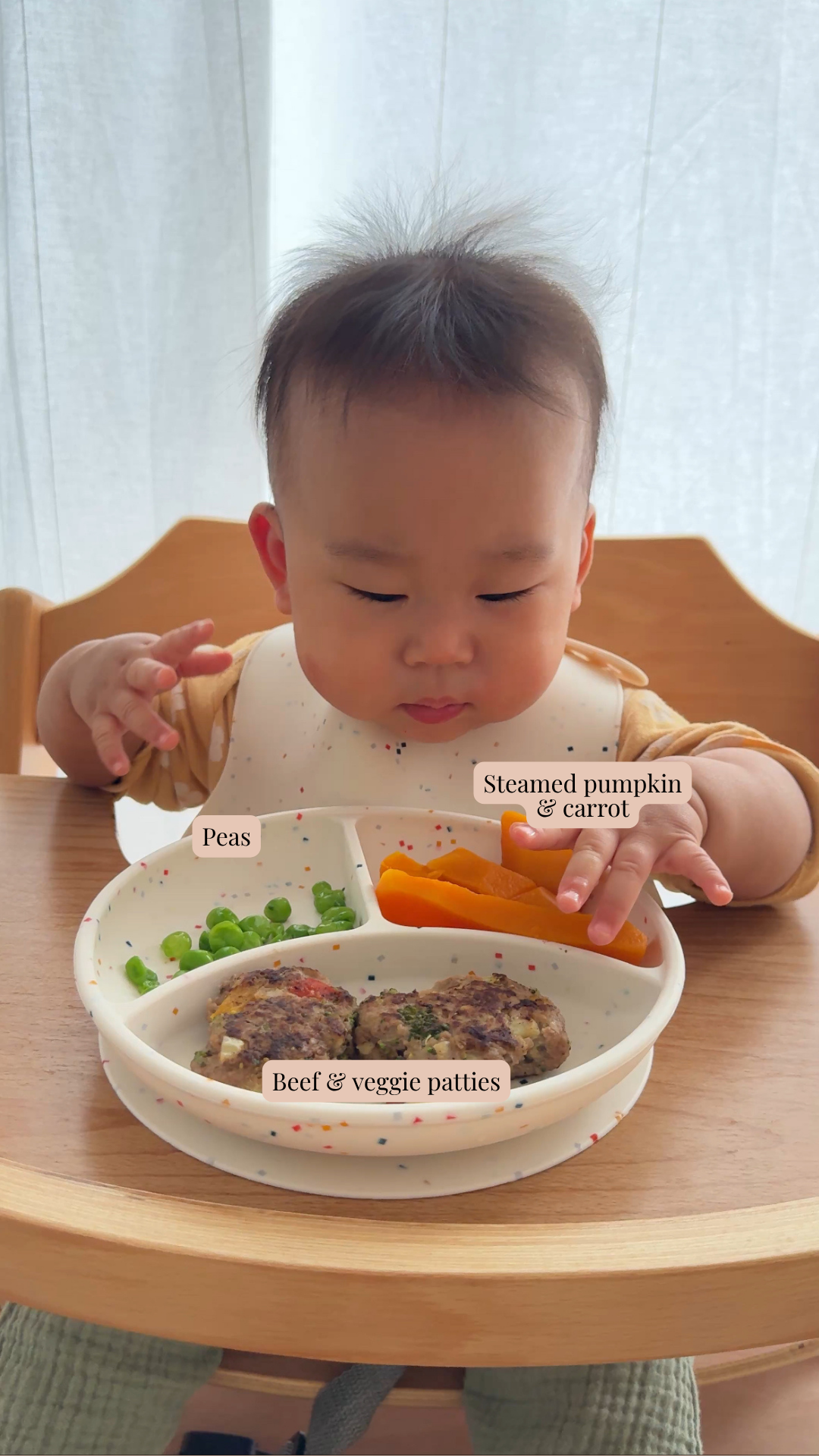
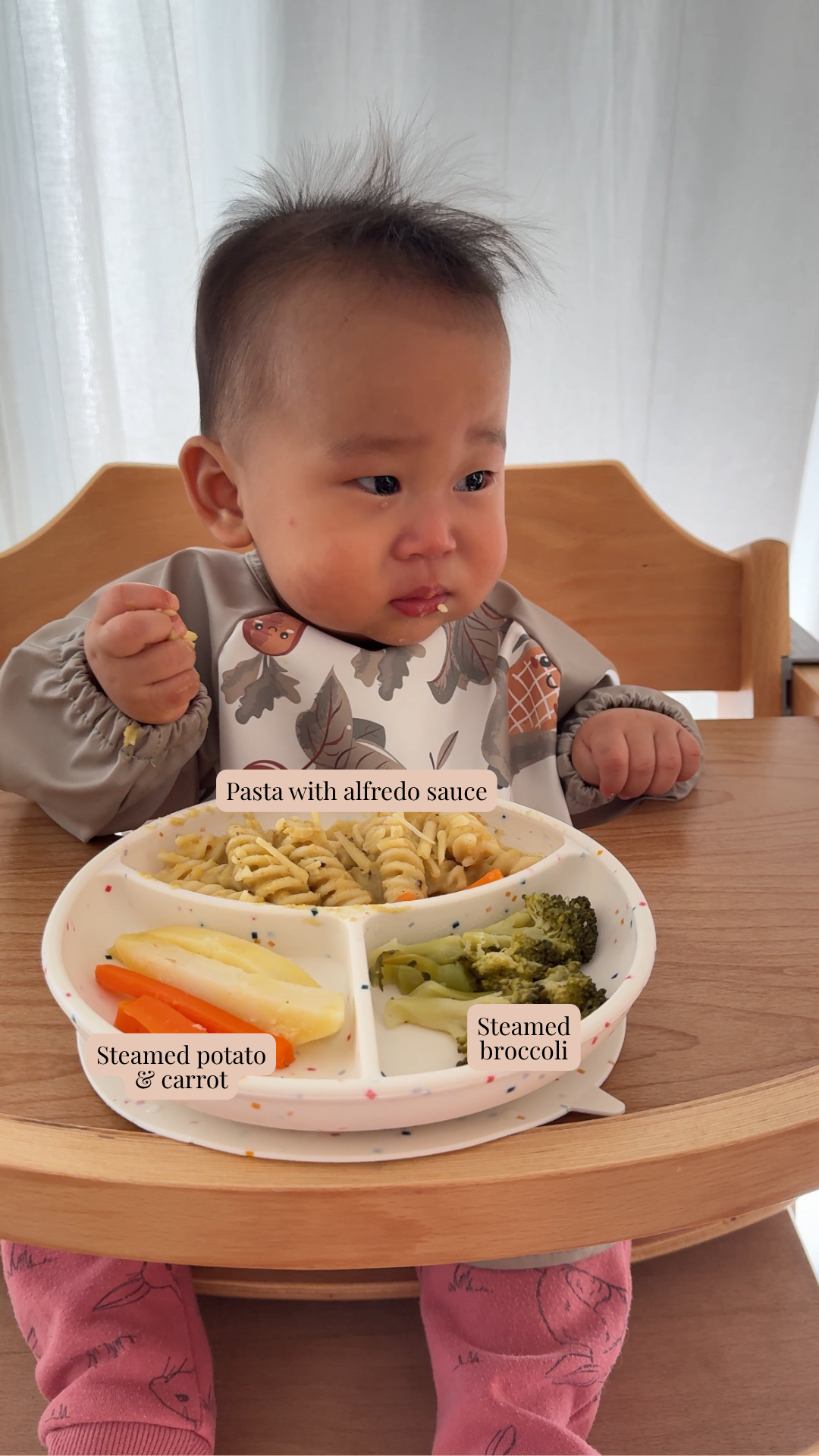
Babies also don’t need to love a food the first time.
It can take up to 15–20 exposures before a child accepts a new food.
You should:
offer a variety of food groups
let your baby choose what to eat from their plate
continue to reintroduce foods without pressure
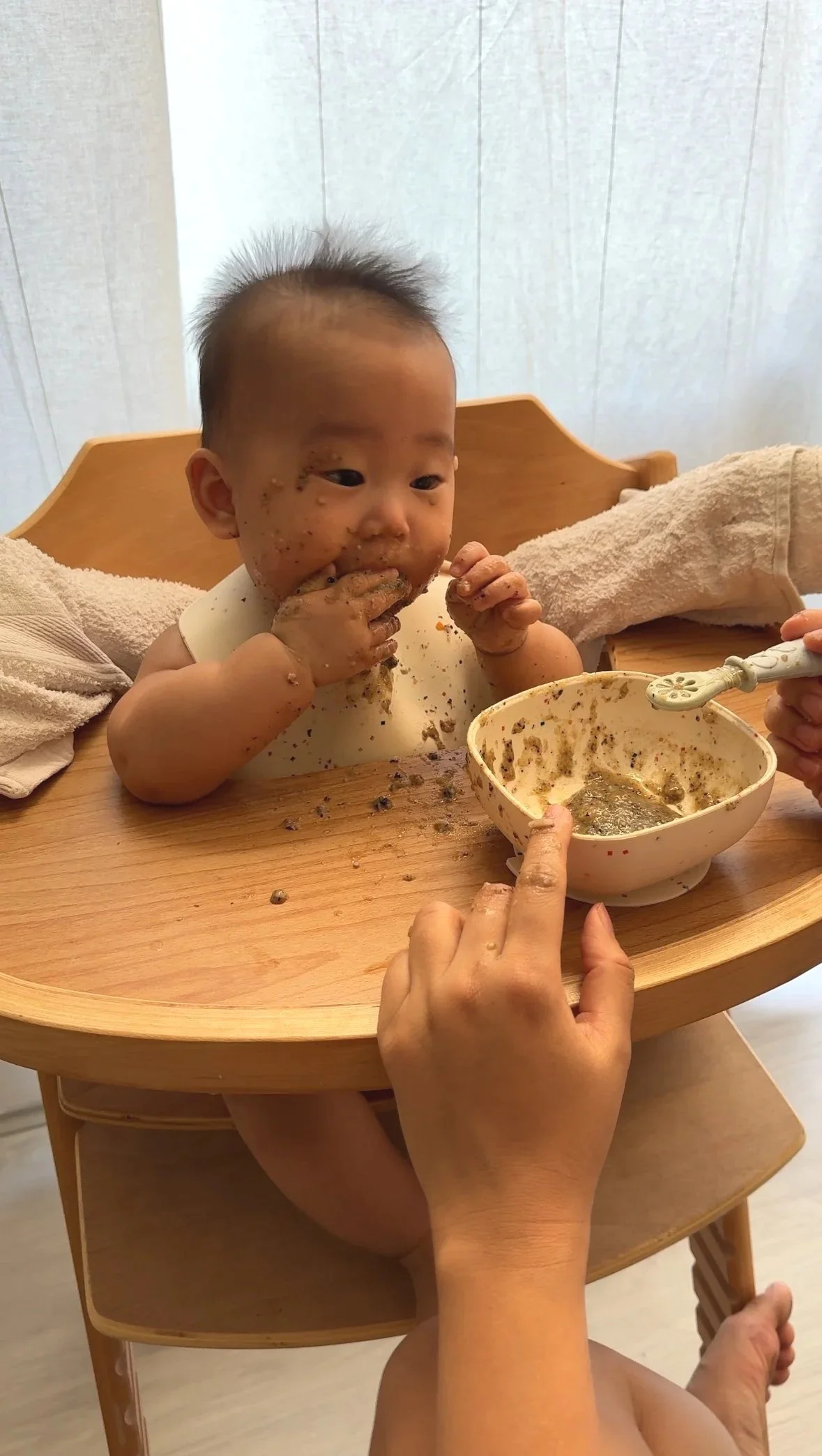
Be Okay With the Mess
Squishing, touching, smearing, and exploring food is how babies:
learn textures
build hand-eye coordination
develop fine motor skills
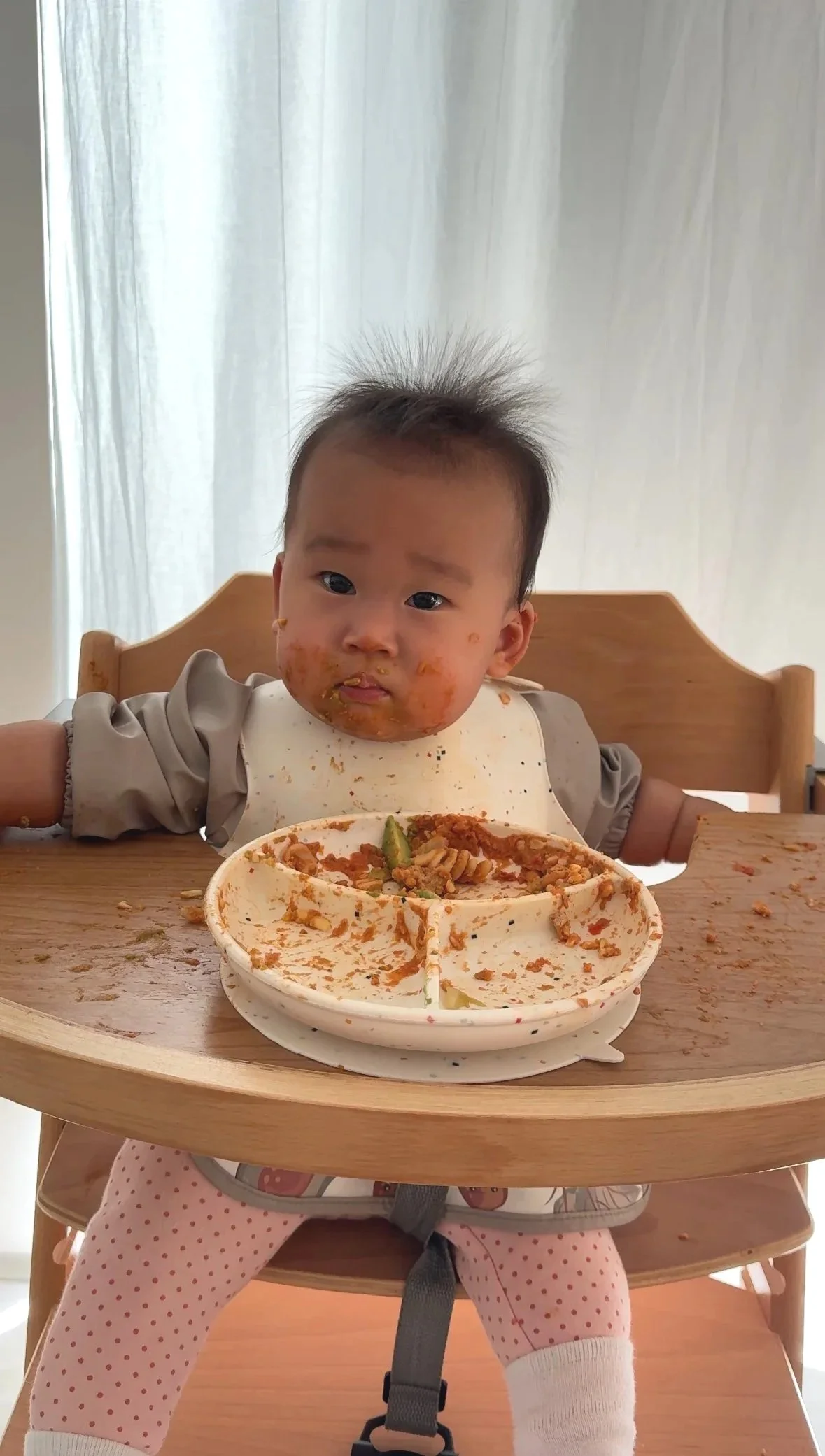
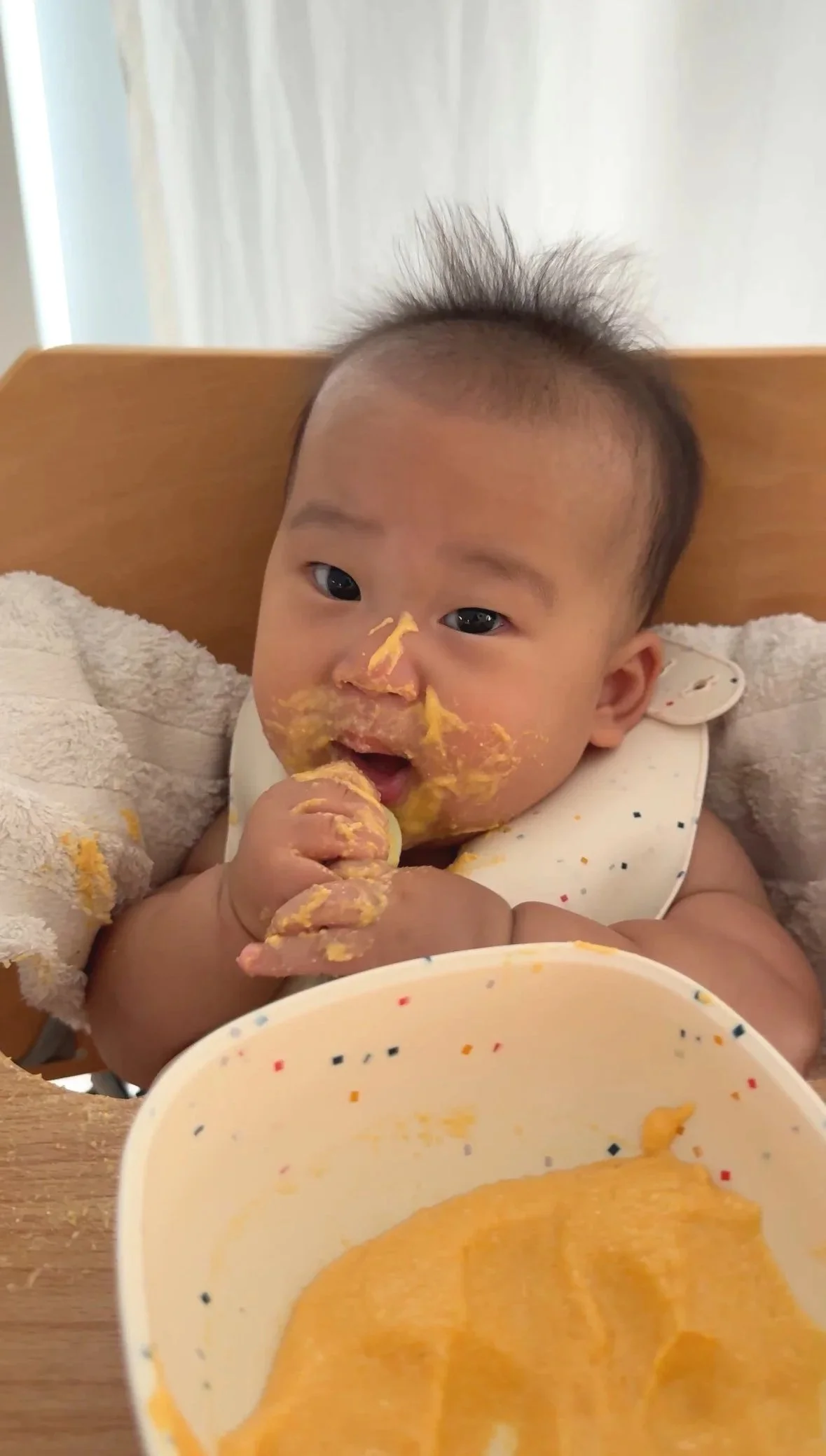
The last thing we want to do is to clean our baby in between bites, as this can be very disruptive and create negative associations with food.
It can feel uncomfortable at first, but the more we embrace the mess, the more confident our babies become about feeding themselves.
Make Mealtimes a Social Experience
In Montessori, meals are seen as a shared, social ritual. We are very lucky that my husband works from home, so we eat most of our meals as a family.
Eating together as a family allows your baby to:
observe how others eat
learn habits and etiquette naturally
feel included and connected
I know it’s not always easy to sit down together as a family, especially when everyone is on different schedules. Even if it’s a handful of meals a week, sitting together for a family meal makes a big difference.
Give Opportunities to Self-Feed
If you’re doing baby-led weaning, allow your baby to explore and feed themselves.
If using purées, try preloading the spoon and letting them bring it to their mouth.
If you’re spoon-feeding, avoid forcing — bring the food close to your baby’s mouth and allow them to come towards the food.
Avoid Pressure, Bribes, and Distractions
It can be tempting to do these things:
Say “Just one more bite” while forcing another bite
Use the “airplane” technique or games to trick our babies
Turn on the TV to get them to eat more
But these techniques can disconnect babies from their natural hunger cues and create more pressure around mealtimes.
Montessori encourages calm, pressure-free meals, where children learn to listen to their bodies.
Use Real Tools for Eating
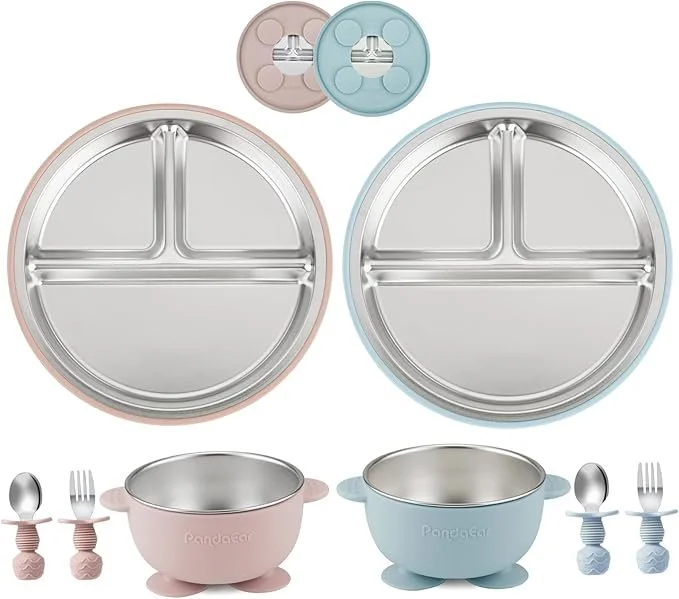
While we didn’t do this from the very beginning, Montessori encourages introducing real plates, glasses and metal cutlery rather than plastic ones. Using real cutlery helps children feel capable and trusted, and learn the logical consequence that plates and glasses will break if they fall. We haven’t been brave enough to do this with Maddie, so we use stainless steel cutlery and plates, which are easy to clean and don’t retain lingering odours like plastic and silicone often do.
We also offered many opportunities for Maddie to use a baby-sized fork and spoon, and she has been able to use them confidently and independently since she was 13-months-old.
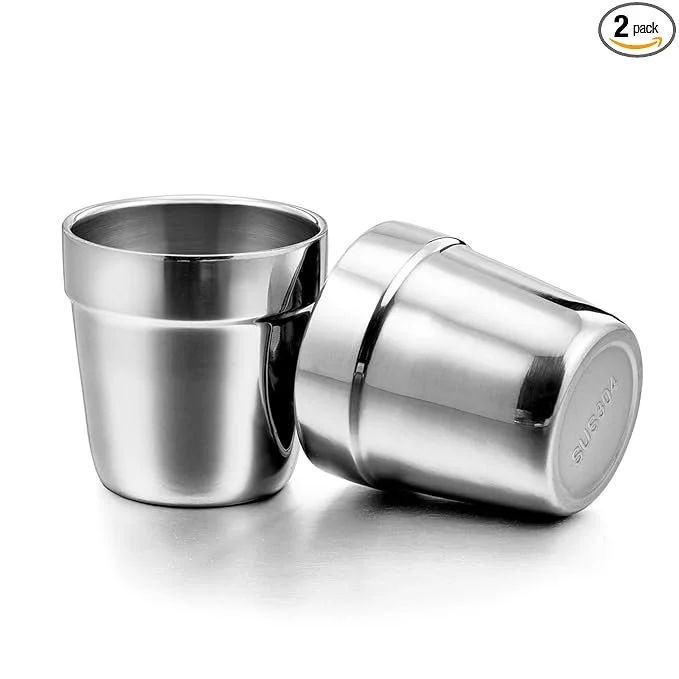
Open cup drinking is another way to support independence. It helps develop babies’ oral muscles, hand-eye coordination and control to get the water into their mouth. We avoid sippy cups as it doesn’t support oral-motor development and might cause speech delays.
Shop my feeding essentials
Create a Consistent Eating Space
Having a consistent eating space is important because it creates clarity, routine, and calm around mealtimes. Babies begin to associate that space with food.
For us, we have main meals at the dining table with Maddie in her high chair. We would occasionally have Maddie at her learning tower for breakfast and snacks.
Some families choose to use a small weaning table where the child sits on low chair. It’s up to what works for you and your family.
We avoid letting Maddie walk around with food or chasing after her to feed her.
Understanding Food Throwing
Food throwing is very normal in babies and toddlers. Often, it’s a baby’s way of experimenting, “What happens if I throw this food on the ground?” or a sign they’re finished eating.
With Maddie, when she starts throwing food, we respond calmly and consistently, “Are you showing me you’re all done?” If she continues throwing food, we say, “It looks like you’re all done. Let’s clean you up.” All of this is said calmly without a threatening tone. She is then allowed to go and play while we finish our meal. It’s helpful to remember that a baby’s attention span for sitting at the table is much shorter than an adult’s.
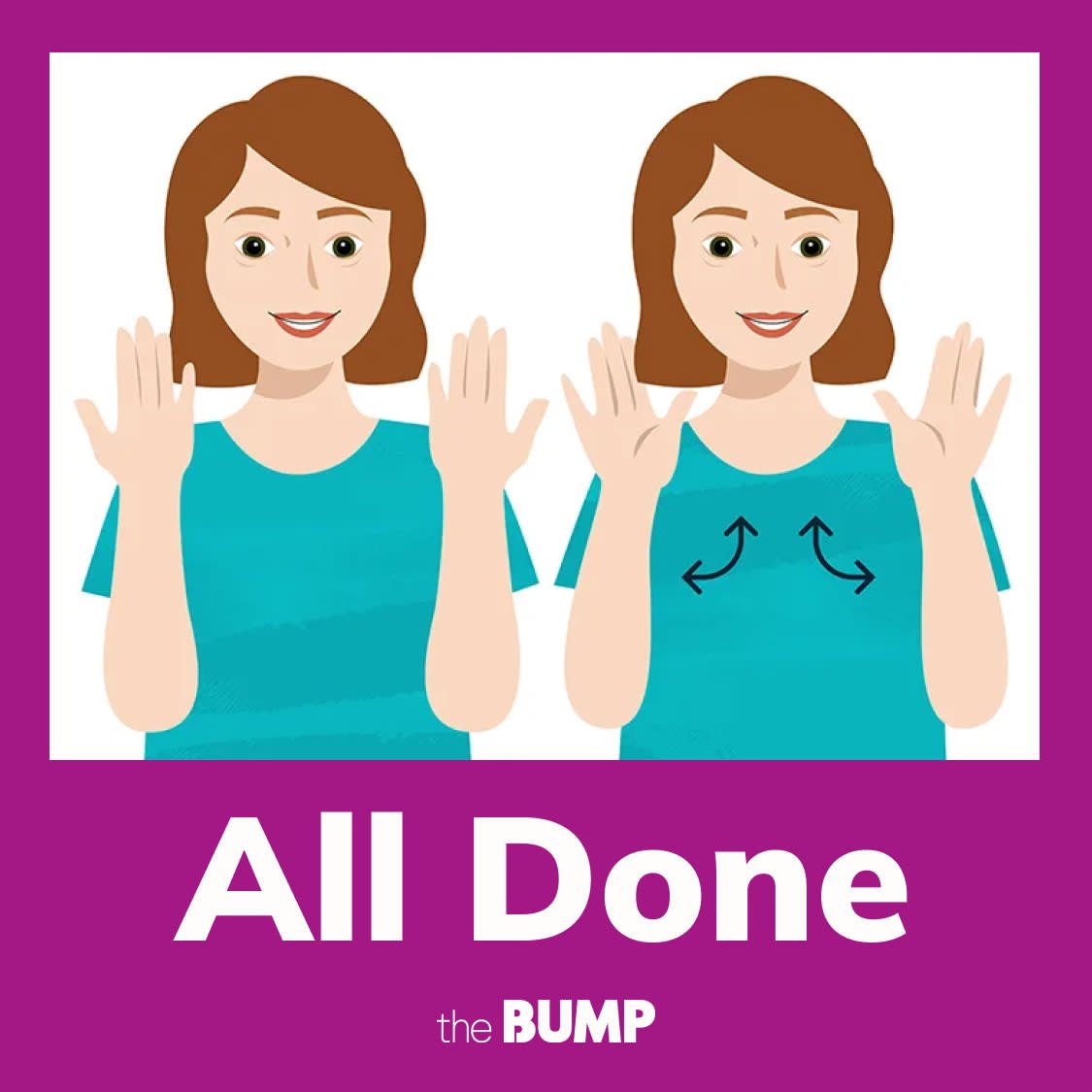
To avoid more food-throwing episodes, we also teach Maddie the sign for “all done” and offer a scraps bowl for unwanted food. These practices give her more appropriate ways to communicate.
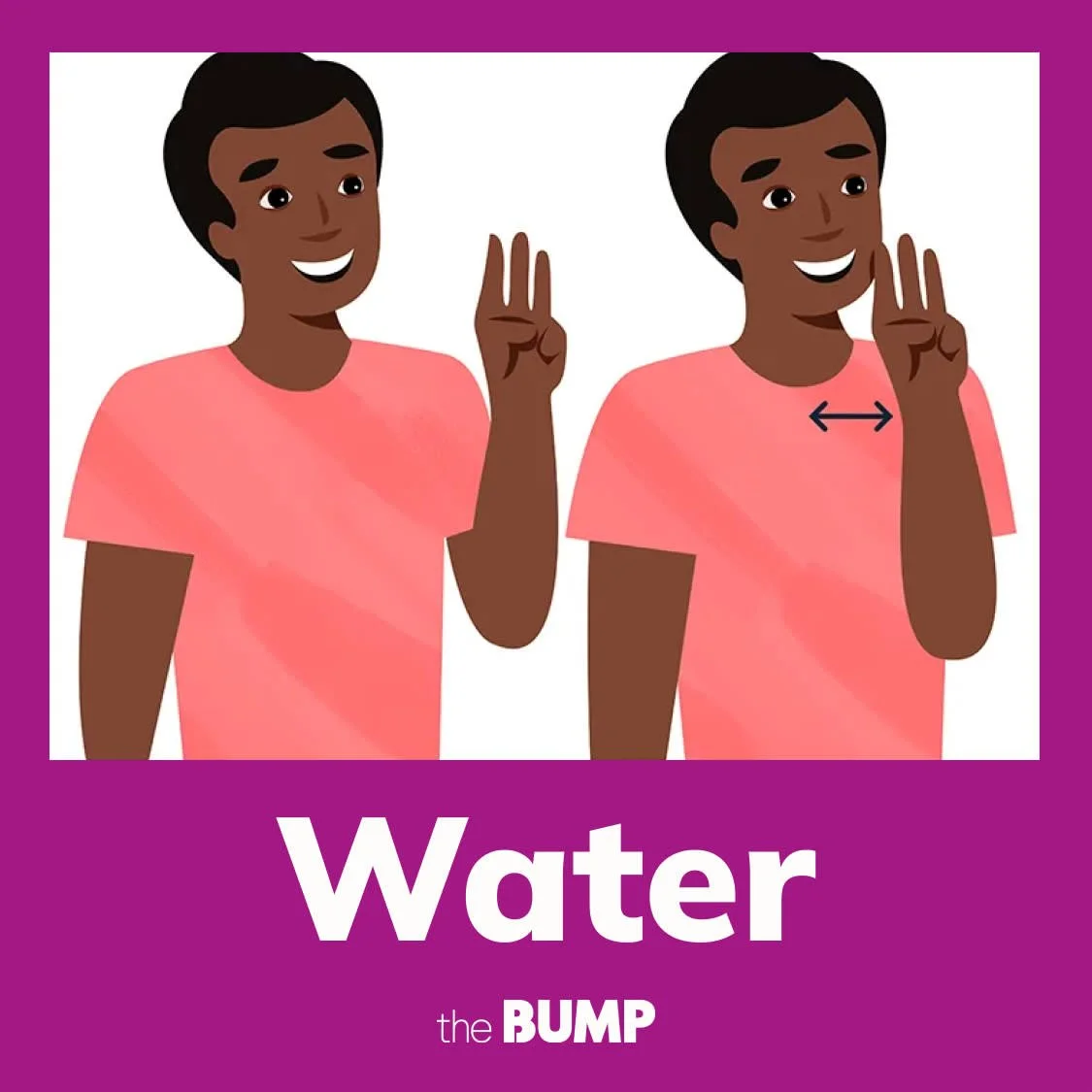
Use Sign Language
Simple signs during mealtimes can allow babies to express their needs, reduce frustration and feel involved in the process.
We have taught Maddie the following signs to use during mealtimes:

Involve Your Baby in Food Preparation
Even from a young age, babies love being part of real-life tasks. By involving your baby in the food preparation process, you provide a low-pressure environment for them to explore textures and scents before the food ever reaches their plate, building a natural interest in what they eat.
When Maddie was a newborn (before she could roll), I would place her on the kitchen counter next to me so she could watch me cook. As she got older and more capable, I involved her more in the kitchen. Here are some examples of tasks she has helped me with:
Washing vegetables
Cutting soft food (like banana and avocado) with a butter knife
Plucking herbs off stems
Cracking eggs
Peeling corn husks
Mixing ingredients in a bowl
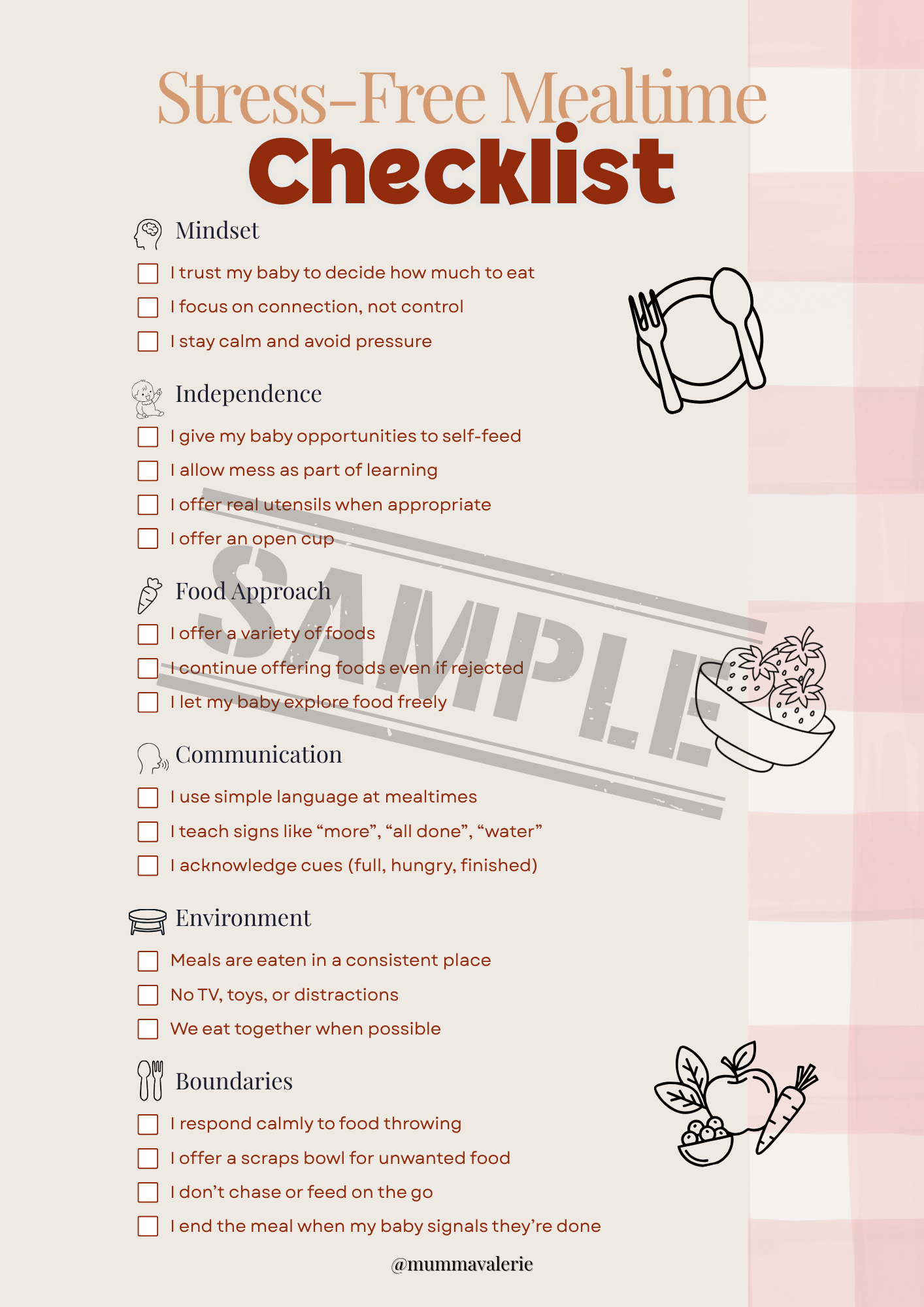
Printable: Stress-Free Mealtime Checklist
To help make mealtimes a little more peaceful, I’ve put together a checklist for encouraging independent eating without the extra stress. Simply fill in the form below, and it will be emailed straight to your inbox.